
🌿 Leswa ka Achar: The Traditional Rajasthani Lasoda Pickle with Authentic Desi Flavor 🌶️
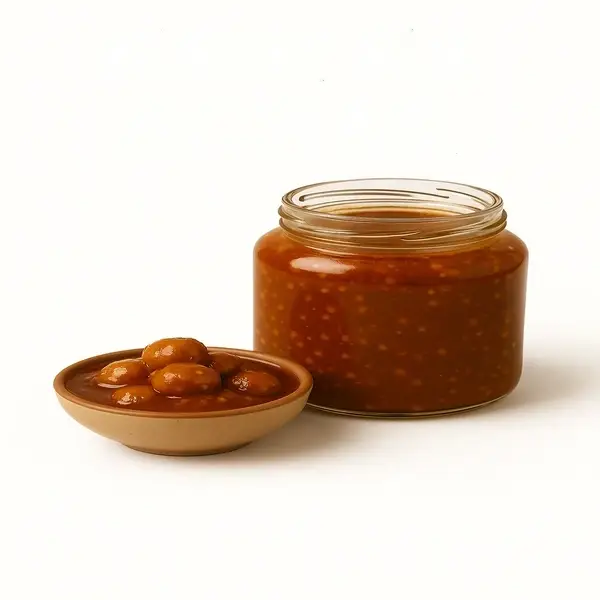
Leswa ka Achar, also known as Lasoda ka Achar or Gunda Pickle, is one of the most unique traditional Indian pickles famous in Rajasthan and parts of North India. Made from fresh leswa (lasoda fruit), traditional spices, and mustard oil, this pickle is known for its slightly tangy taste, sticky texture, and bold spice flavor.
Unlike common pickles such as mango or lemon, leswa pickle stands out because of its distinctive texture and rare seasonal availability. This pickle reflects the richness of traditional Indian food culture where even lesser-known fruits were transformed into delicious preserved foods.
In Rajasthani households, leswa ka achar is often served with dal, roti, bajra roti, and traditional meals. A small serving adds a tangy, spicy kick that makes simple home food more enjoyable 🍛.
Today, lasoda pickle is becoming popular beyond Rajasthan as people search for authentic regional pickles and traditional flavors.
🌿 What is Leswa ka Achar?
Leswa ka Achar is a traditional pickle made from leswa fruit (Cordia myxa), also called lasoda or gunda, which is a small green fruit with a slightly sticky pulp. The fruit is cleaned, sometimes lightly boiled, and then preserved with spices and oil.
This pickle is known for its special taste:
✔️ Mild tangy taste from leswa
✔️ Unique slightly sticky texture
✔️ Spicy warmth from masala
✔️ Rich mustard oil aroma
As the pickle matures, the fruit absorbs spices deeply and becomes softer, creating a bold traditional taste.
🏺 Cultural Importance of Leswa Pickle
Leswa has long been used in traditional Rajasthani and Marwari kitchens. Because it is seasonal, people developed pickling methods to preserve it for longer use.
Traditionally:
✔️ Leswa was harvested in summer
✔️ Fruits were cleaned and processed
✔️ Pickle was prepared in batches
✔️ Stored for months
This reflects traditional Indian food wisdom—preserving seasonal produce to avoid wastage.
In many Marwari homes, lasoda pickle is considered a nostalgic food connected to village traditions and homemade meals 🌿.
🌿 Why Leswa is Ideal for Pickling
Leswa is perfect for pickle making because:
✔️ Firm fruit structure
✔️ Absorbs spices well
✔️ Unique texture
✔️ Seasonal availability
✔️ Develops rich flavor after maturation
The pickling process enhances its taste and removes raw stickiness.
🌿 Selecting Good Quality Leswa
Quality fruit is important for good pickle.
Good leswa should be:
✔️ Fresh and green
✔️ Medium sized
✔️ Firm
✔️ Free from black spots
✔️ Not overly ripe
Fresh leswa ensures better taste and texture.
🌿 Key Ingredients in Traditional Leswa Pickle
Authentic leswa pickle uses traditional Indian spices.
Main ingredients:
🌿 Fresh leswa (lasoda)
🧂 Salt
🌶️ Red chilli powder
🌿 Turmeric powder
Traditional spices:
✔️ Mustard seeds
✔️ Fenugreek seeds
✔️ Fennel seeds
✔️ Nigella seeds
✔️ Coriander powder
✔️ Asafoetida
Oil:
🛢️ Mustard oil is traditionally used because:
✔️ Improves shelf life
✔️ Enhances taste
✔️ Adds authentic aroma
✔️ Acts as natural preservative
These spices give authentic Marwari flavor.
🏺 Traditional Method of Preparing Leswa ka Achar
The preparation process follows traditional Indian pickle techniques.
Step 1: Cleaning the Leswa 🌿
Leswa fruits are washed thoroughly to remove dirt and dried completely.
Step 2: Boiling or Soaking 🔥
Sometimes leswa is lightly boiled or soaked in salt water to:
✔️ Reduce stickiness
✔️ Improve texture
✔️ Remove impurities
Step 3: Drying ☀️
The fruits are dried to remove moisture. This step is important for long shelf life.
Step 4: Preparing Spice Mix 🌶️
Traditional spices are mixed to create bold Rajasthani flavor.
Step 5: Mixing with Oil 🛢️
Leswa is mixed with:
✔️ Spice mixture
✔️ Salt
✔️ Mustard oil
Everything is mixed thoroughly.
Step 6: Sun Maturation ☀️
The pickle is stored in glass jars and kept in sunlight for several days.
This helps:
✔️ Flavor development
✔️ Fruit softening
✔️ Spice absorption
✔️ Natural preservation
🌶️ Taste Development During Pickle Maturation
Leswa pickle develops deeper taste over time.
Initially:
✔️ Slight tangy taste
✔️ Firm texture
✔️ Strong spice aroma
After maturation:
✔️ Balanced flavor
✔️ Softer texture
✔️ Deep spice infusion
✔️ Rich traditional taste
Proper maturation gives the best taste.
❤️ Health Aspects of Leswa Pickle
When eaten in moderation, leswa pickle is traditionally appreciated.
Possible benefits include:
✔️ Fiber content
✔️ Traditionally linked with digestion
✔️ Appetite stimulation
✔️ Natural preserved food
✔️ Traditional plant nutrients
⚠️ Due to salt and oil, moderation is advised.
🍛 Best Ways to Eat Leswa Pickle
Leswa pickle pairs well with simple Indian meals.
Popular combinations:
🍚 Dal and rice
🫓 Roti or paratha
🌾 Bajra roti
🥣 Khichdi
🥘 Traditional Rajasthani thali
A small serving adds strong flavor.
🏡 Storage Tips for Leswa Pickle
Proper storage ensures long shelf life.
Important tips:
✔️ Store in airtight glass jars
✔️ Always use dry spoon
✔️ Keep pickle submerged in oil
✔️ Avoid moisture exposure
✔️ Store in cool dry place
Following these rules keeps pickle fresh for months.
⏳ Shelf Life of Leswa Pickle
When properly stored, leswa pickle can last:
✔️ 6–9 months
✔️ Up to 12 months
Shelf life depends on:
-
Oil quantity
-
Salt quantity
-
Storage hygiene
-
Moisture exposure
Traditional pickles often improve in taste with time.
🌍 Regional Importance of Leswa
Leswa pickle is strongly associated with:
✔️ Rajasthan
✔️ Marwari cuisine
✔️ Traditional village food
✔️ Seasonal pickles
It is considered a traditional regional delicacy.
🌟 Why Leswa Pickle Remains Special
Leswa pickle remains special because:
✔️ Rare seasonal fruit
✔️ Unique texture
✔️ Traditional preparation
✔️ Authentic Marwari taste
✔️ Cultural heritage value
It is considered a heritage pickle.
🏪 Leswa Pickle in Modern Times
Today leswa pickle is gaining popularity because:
✔️ Growing interest in regional foods
✔️ Demand for authentic Indian pickles
✔️ Rise of homemade food brands
✔️ Food tourism influence
Many people now search online for traditional Rajasthani pickles.
⚠️ Common Mistakes to Avoid While Making Leswa Pickle
Common mistakes include:
❌ Not removing moisture
❌ Using overripe leswa
❌ Using less oil
❌ Not drying jars
❌ Exposure to water
Avoiding these improves shelf life.
🌿 Difference Between Leswa Pickle and Mango Pickle
Leswa pickle:
✔️ Mild tangy taste
✔️ Unique texture
✔️ Less sour
Mango pickle:
✔️ Strong tangy taste
✔️ Firm mango pieces
✔️ Strong spice profile
Both are traditional but different in texture and flavor.
🌿 Why Traditional Pickle Making Still Matters
Traditional pickle making teaches:
✔️ Food preservation
✔️ Cultural heritage
✔️ Ingredient respect
✔️ Sustainable cooking
✔️ Traditional knowledge
These values remain important today.
📈 Growing Demand for Traditional Indian Pickles
Modern consumers are shifting toward:
✔️ Homemade foods
✔️ Authentic recipes
✔️ Preservative-free products
✔️ Regional specialties
This trend is increasing demand for leswa pickle.
🏆 How Leswa Pickle Reflects Rajasthani Food Philosophy
Rajasthani cuisine focuses on:
✔️ Long shelf life foods
✔️ Strong spices
✔️ Seasonal preservation
✔️ Resourceful cooking
Leswa pickle perfectly represents this philosophy.
Conclusion 🌿🌶️
Leswa ka Achar (Lasoda Pickle) is one of the most authentic traditional Rajasthani pickles, known for its unique fruit, bold spices, and deep cultural roots. Through careful preparation with traditional spices and mustard oil, simple seasonal leswa is transformed into a flavorful pickle.
With its unique texture, traditional preparation, and authentic taste, leswa pickle continues to remain a valued part of Marwari cuisine. Whether eaten with dal-chawal, bajra roti, or everyday meals, this pickle proves that traditional foods carry unmatched authenticity.
More than just a pickle, leswa ka achar represents Rajasthan’s culinary heritage, traditional food wisdom, and the timeless art of Indian food preservation 🌿.